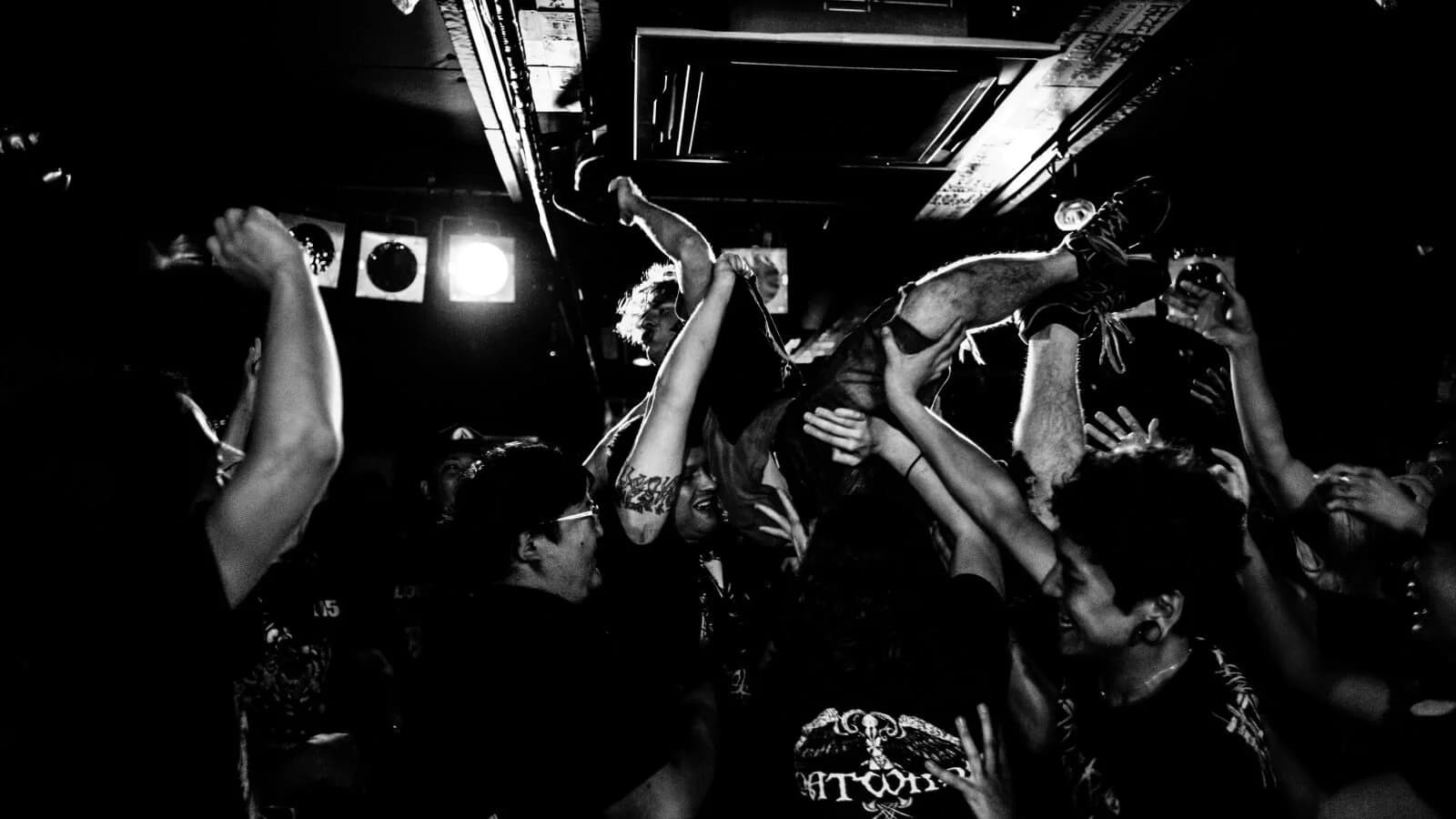
Fifteen years of standing in Tokyo basements has taught me that the underground metal scene here operates on a completely different set of social protocols than what most international visitors expect. These aren't written down anywhere, but break them and you'll stick out like a tourist at Budokan.
The Entrance Ritual
When you walk into a Tokyo live house, you're not just buying a ticket - you're entering a community space. Here's how to do it right:
Always bow slightly to the door staff. Even if you're tower over them, even if you feel ridiculous. That brief acknowledgment sets the tone for your entire night. The door staff at places like Earthdom and Shelter have been doing this for decades. They can spot scene veterans vs. curious outsiders instantly.
Have your advance ticket ready, but don't rush. The Japanese concept of ikigai applies even to door transactions. Take your time, be present, show respect for the process. If you're paying door price (called ato-barai), have exact change ready.
Pit Etiquette: Less Aggression, More Flow
Tokyo pits operate on fundamentally different energy than Western scenes. It's not about dominance or releasing aggression - it's about collective experience and respect for shared space.
Pick up anyone who falls, immediately. This is non-negotiable everywhere, but in Tokyo it's elevated to an art form. I've seen 90-pound Japanese women effortlessly help up foreign metalheads twice their size. It's about community care, not individual strength.
No pointing at the band unless they invite it. This took me years to understand. In Western metal culture, we point and scream at band members to show appreciation. In Japan, this can be read as aggressive or disrespectful unless the band specifically encourages crowd participation.
Keep your movements contained. Windmilling and stage diving happen, but with incredible spatial awareness. Watch Japanese pit veterans - they're like water, flowing around obstacles and other bodies without ever making contact unless it's intentional and consensual.
The Art of Kuuki o Yomu (Reading the Air)
This concept - literally "reading the atmosphere" - governs everything in Japanese social interaction, and metal shows are no exception.
Match the energy level of the room. If it's a quiet, introspective black metal show at Koenji HIGH, don't be the person trying to start a circle pit. If it's a thrash night at Antiknock, don't stand stone-faced in the back.
Watch the band for cues. Japanese metal musicians often have specific ways they like crowds to respond. Some want call-and-response, others prefer reverent silence. Pay attention to what the band members are doing with their bodies and eyes.
Band Interaction Protocol
Don't approach band members immediately after their set. Give them 10-15 minutes to decompress and pack their gear. When you do approach, a slight bow and a simple "otsukaresama deshita" (thanks for your hard work) goes infinitely further than aggressive enthusiasm.
Buy their merch if you enjoyed the show. This isn't just politeness - most Tokyo metal bands make barely enough to cover practice space rent. Your 2000 yen for a CD directly keeps the scene alive.
The Sacred Relationship with Sound Engineers
In Tokyo's small venues, the sound engineer is often also the venue owner, booking agent, and scene elder. They've been doing this since before you knew Japan had a metal scene.
Never adjust the monitors yourself. If there's a sound issue, catch the engineer's eye and gesture politely. They'll fix it faster than you can blink.
Respect the soundcheck process. When bands are checking levels, the entire room goes quiet. Don't be the person talking through soundcheck. This is considered deeply disrespectful.
After the Show: The Real Scene
The actual scene happens after the last band finishes. This is when relationships form, future shows get booked, and the community perpetuates itself.
Don't immediately head for the exit. Stick around for 15-20 minutes. Help stack chairs if the venue needs it. Buy a drink from the bar. This is when you transition from audience member to scene participant.
Learn the local izakaya spots. Many Tokyo metal communities have regular after-show haunts. Figure out where your preferred venues' crowds migrate to, and show up consistently. This is how you go from tourist to regular.
The underground metal scene in Tokyo is one of the most welcoming and inclusive music communities I've ever encountered, but it operates on specific cultural frequencies. Tune into those frequencies, and you'll find yourself part of something truly special - a community that's been nurturing extreme music in basement venues for decades, with room for anyone who shows proper respect for the space and the people who've built it.
Next week: A deep dive into the legendary venue Earthdom and its 20-year history shaping Tokyo's doom metal underground.