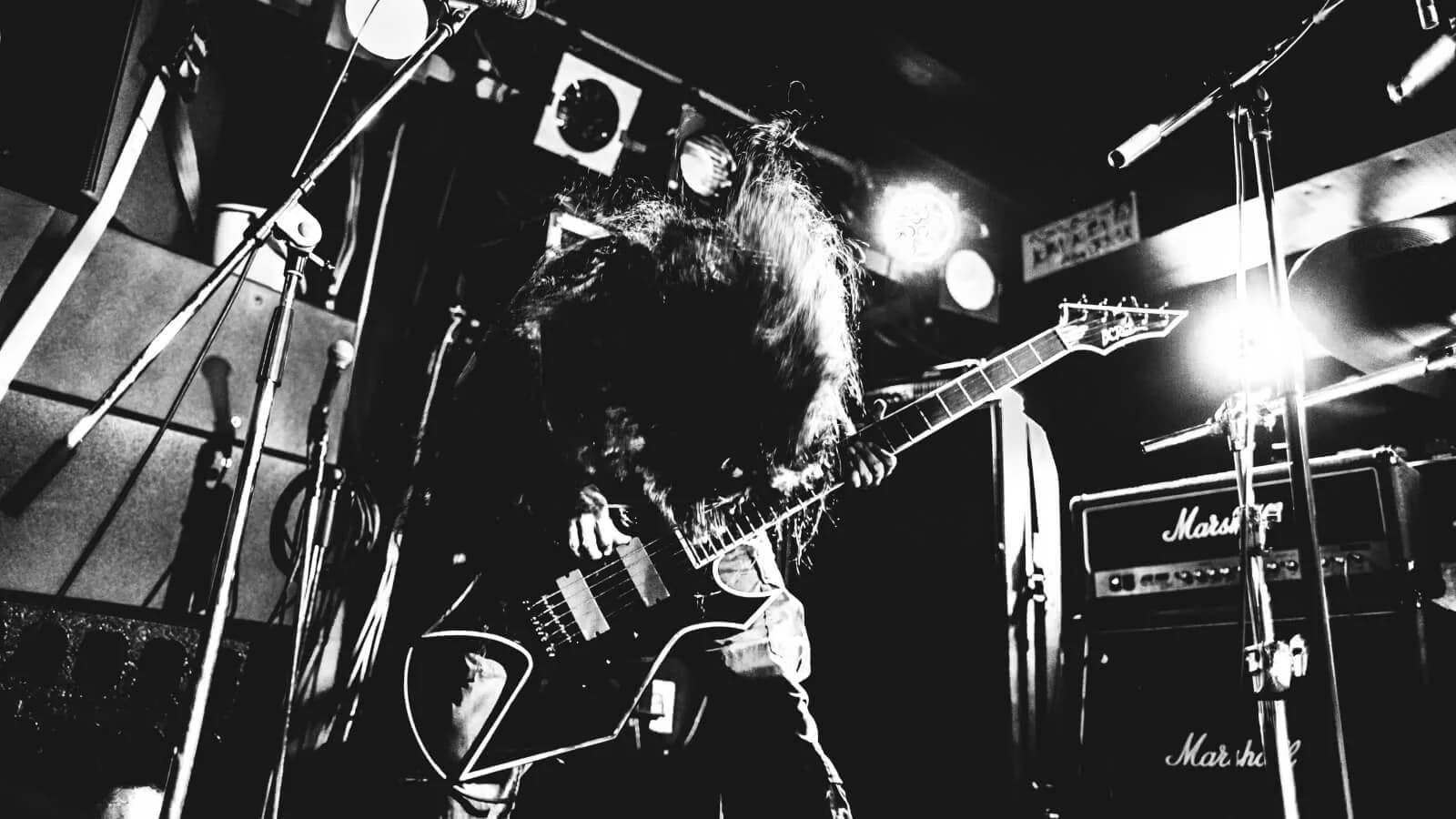
The Tokyo metal underground as we know it today didn't emerge from a vacuum. It was forged in the 1990s by a generation of musicians who took the blueprint of Western extreme metal and filtered it through uniquely Japanese sensibilities, creating something entirely new in the process.
The Post-Thrash Landscape
By 1990, the initial wave of Japanese thrash - bands like United, Doom, and Sabbat - had established that Japan could produce world-class extreme music. But the underground was restless. The major label approach felt constraining, and a new generation of musicians wanted more creative freedom and heavier sounds.
The key shift was philosophical as much as musical. While 1980s Japanese metal often emulated Western models directly, 1990s underground bands began incorporating elements that felt distinctly Japanese - not through superficial imagery, but through deeper structural and aesthetic approaches.
The Venue Network Emerges
The modern Tokyo live house system began taking shape in the early 1990s. Venues like Shibuya O-East and Club Citta were already hosting international acts, but the underground needed smaller, more specialized spaces.
Key developments:
- 1992: Outbreak opens in Shibuya, focusing specifically on heavy music
- 1994: The original incarnation of Antiknock begins programming extreme metal
- 1996: Godz establishes itself as the home base for Tokyo's doom and sludge experiments
These venues created a network where bands could develop their sound through regular local shows, building audiences without major label support. The DIY ethos that defines today's scene was born from these small, passionate venues.
The Sound Evolves
What made 1990s Tokyo metal unique was its willingness to embrace extremity without losing melody and dynamics. While Western death and black metal were often pursuing maximum brutality, Japanese bands were finding ways to be heavy while incorporating space, silence, and atmosphere.
Influential bands of the era:
- Church of Misery (formed 1995) - Pioneering the fusion of doom metal with serial killer obsessions
- Coffins (formed 1996) - Crafting a uniquely Japanese approach to death/doom
- Sigh (formed 1990) - Pushing black metal into avant-garde territories
These bands weren't trying to out-brutal their Western counterparts. Instead, they were developing a distinctly Japanese approach to extreme music - one that valued atmosphere, craftsmanship, and emotional depth alongside heaviness.
The DIY Infrastructure
The 1990s saw the emergence of the cassette tape trading networks that would later evolve into the modern Japanese underground. Small labels like Thrash Press and Solitude Productions began documenting the scene, creating physical artifacts that validated the underground's growing identity.
This period established the economic model that still governs Tokyo's underground: small venues, physical merchandise sales, and tight community bonds rather than major label support. Bands learned to be self-sufficient while venues developed the expertise to support extreme music.
Cultural Context
The 1990s were a transformative decade for Japanese youth culture generally. The economic bubble had burst, traditional employment guarantees were cracking, and young people were exploring alternative lifestyles. Metal provided an outlet for these anxieties while building alternative communities.
The underground metal scene became a space where Japanese social conventions could be temporarily suspended. The intensity and physicality of the music created permission for emotional expression that was often discouraged in mainstream Japanese society.
International Recognition
By the late 1990s, the international metal community began paying attention to what was happening in Tokyo. Magazines like Terrorizer and Metal Maniacs started featuring Japanese bands, and European labels began licensing Japanese releases.
This recognition was crucial - it validated the scene's belief that they were creating something genuinely valuable rather than just imitating Western models. The confidence gained during this period laid the foundation for the international success that bands like Boris, Coffins, and Church of Misery would achieve in the 2000s.
The Foundation for Today
Every aspect of Tokyo's current underground metal scene can be traced back to innovations from the 1990s:
- The venue network that supports 20+ shows per week
- The aesthetic approach that balances extremity with atmosphere
- The DIY infrastructure that allows bands to operate independently
- The community bonds that turn venues into gathering places
Legacy and Influence
The 1990s Tokyo underground didn't just create great bands - it created a sustainable ecosystem for extreme music that has continued evolving for three decades. The scene's emphasis on community, craftsmanship, and atmospheric depth influenced metal across Asia and provided an alternative model to the increasingly commercial Western extreme metal world.
Understanding this history is crucial for anyone trying to grasp why Tokyo's underground operates the way it does today. The practices, venues, and social dynamics we see now aren't accidents - they're the result of deliberate choices made by underground pioneers who were determined to create something lasting and meaningful.
Next week: The role of record stores in maintaining Tokyo's metal underground - from Tower Records Shibuya to obscure specialty shops in Koenji.