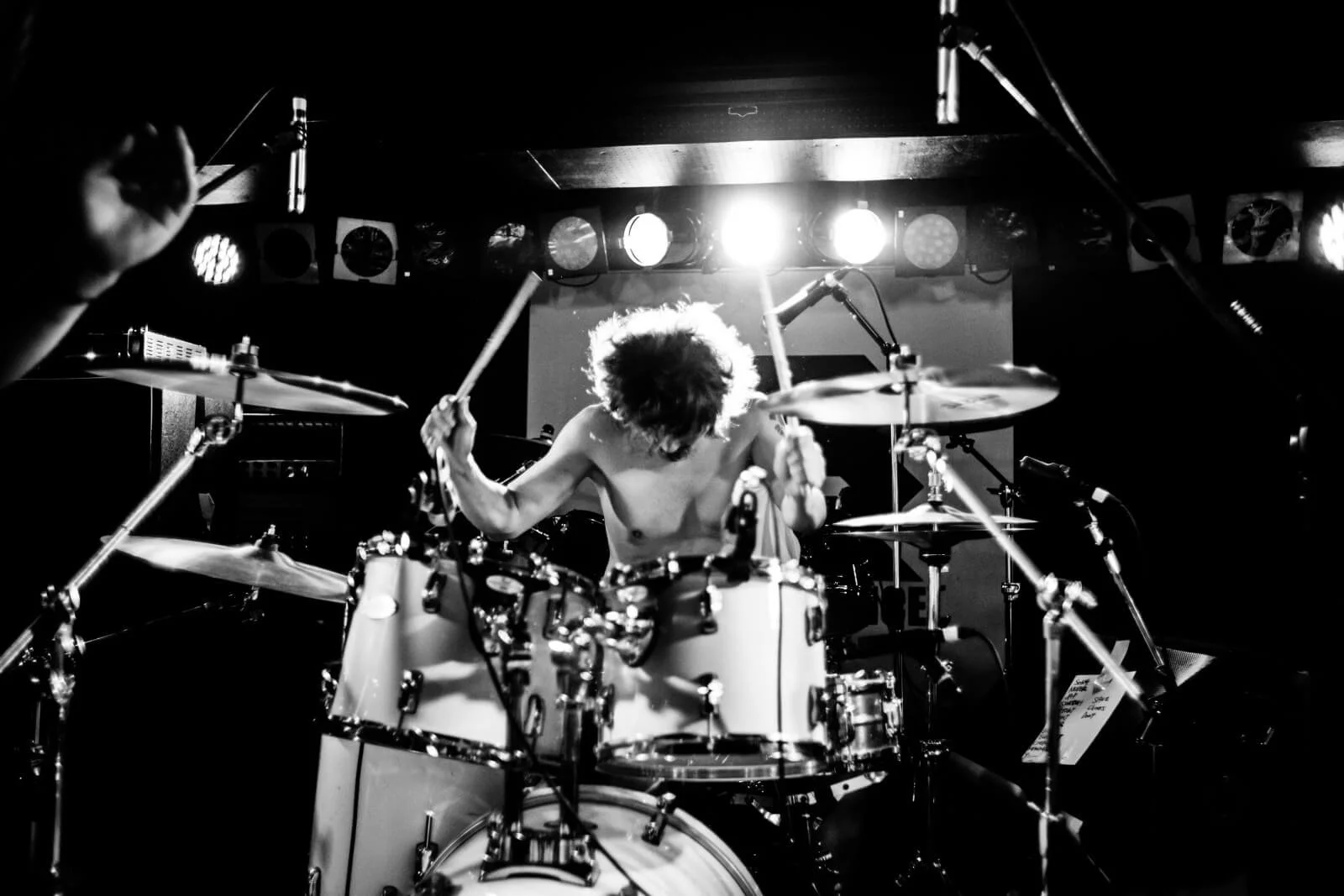
Tokyo hardcore punk history divides into two distinct eras: before Death Side and after Death Side created the revolutionary Burning Spirits sound. From 1987 to 1994, this legendary Tokyo quartet transcended typical hardcore punk performance - they invented an entirely new musical language that became synonymous with Japanese underground music worldwide. When Death Side reformed in 2015 for tribute shows honoring deceased guitarist Chelsea, it wasn't mere nostalgia - it provided proof that certain cultural innovations possess too much power to remain permanently buried.
Death Side, along with Lip Cream, bridged the gap between Japan's first wave of punk and what became the third wave of international recognition. But calling them a bridge misses the point - they were architects building something entirely new. The Burning Spirits movement, the tours, the aesthetic, the sound itself - Death Side created the blueprint that hundreds of bands still follow today.
The Sound
Death Side's sound is the DNA of Burning Spirits hardcore: impossibly tight rhythms, melodic lead guitar work that soars above the chaos, and an emotional intensity that feels like your heart might explode. Chelsea (Hiroyuki Kishida) largely created the heavy metal guitar solos that became emblematic of the genre, while the rhythm section provided a foundation solid enough to build a movement on.
This wasn't just fast punk rock - it was hardcore with the technical precision of metal, the emotional depth of the best Japanese music, and the raw power of true believers. The production captured every nuance while maintaining the urgency that made their live shows legendary.
Later Burning Spirits bands copied the formula, but Death Side's original recordings still sound like lightning in a bottle. There's something irreplaceable about hearing a sound being born rather than perfected.
In the Scene
Death Side created the scene as much as they existed within it. The Burning Spirits shows and tours they organized became the template for how Japanese hardcore bands should present themselves. Every classic band of that era played those gigs, and the community they built still defines Tokyo's hardcore underground.
When they reformed in 2015, the response proved their influence had only grown. Multiple generations of musicians who grew up on their music suddenly had the chance to share stages with their heroes. The shows became meetings between the founders and inheritors of the Burning Spirits tradition.
Their aesthetic - the fierce visual presentation, the concert organization, the very name "Burning Spirits" - gave Japanese hardcore an identity separate from American and European punk. That cultural contribution matters as much as the music itself.
Why They Matter
Death Side proved that Japanese musicians could create something entirely their own rather than just copying Western models. The Burning Spirits sound became an export, with international hardcore bands studying Death Side records to understand what made Japanese hardcore special.
More importantly, they showed how underground music could maintain artistic integrity while building lasting community. The scene they created survived their initial breakup and continues to produce vital music three decades later. That's the mark of true cultural impact.
Their 2015 reformation wasn't just about revisiting the past - it was about showing younger musicians what real commitment to underground music looks like. In an era of social media promotion and calculated career moves, Death Side represents pure authenticity.
Catch Them Live
Death Side shows are historic events. When they announce a Tokyo gig, it's not just a concert - it's a gathering of the entire Burning Spirits community. The crowd spans generations, from veterans who were there during the original run to kids discovering the source of their favorite bands' influence.
The energy is electric, the playing is still tight as hell, and the emotional impact remains devastating. These aren't old men playing their hits - these are legends proving why they became legends in the first place.
Check our shows calendar for their rare Tokyo appearances at venues like Shinjuku Antiknock. Death Side's complete discography and history can be explored through comprehensive documentation, while their influence continues through bands like Forward featuring original vocalist Ishiya. For more bands carrying the Burning Spirits torch they created, explore our bands directory to discover the movement's lasting impact on Tokyo's hardcore scene.
Explore Death Side's full profile on Music in Japan, or check the shows calendar to see when they're playing next.