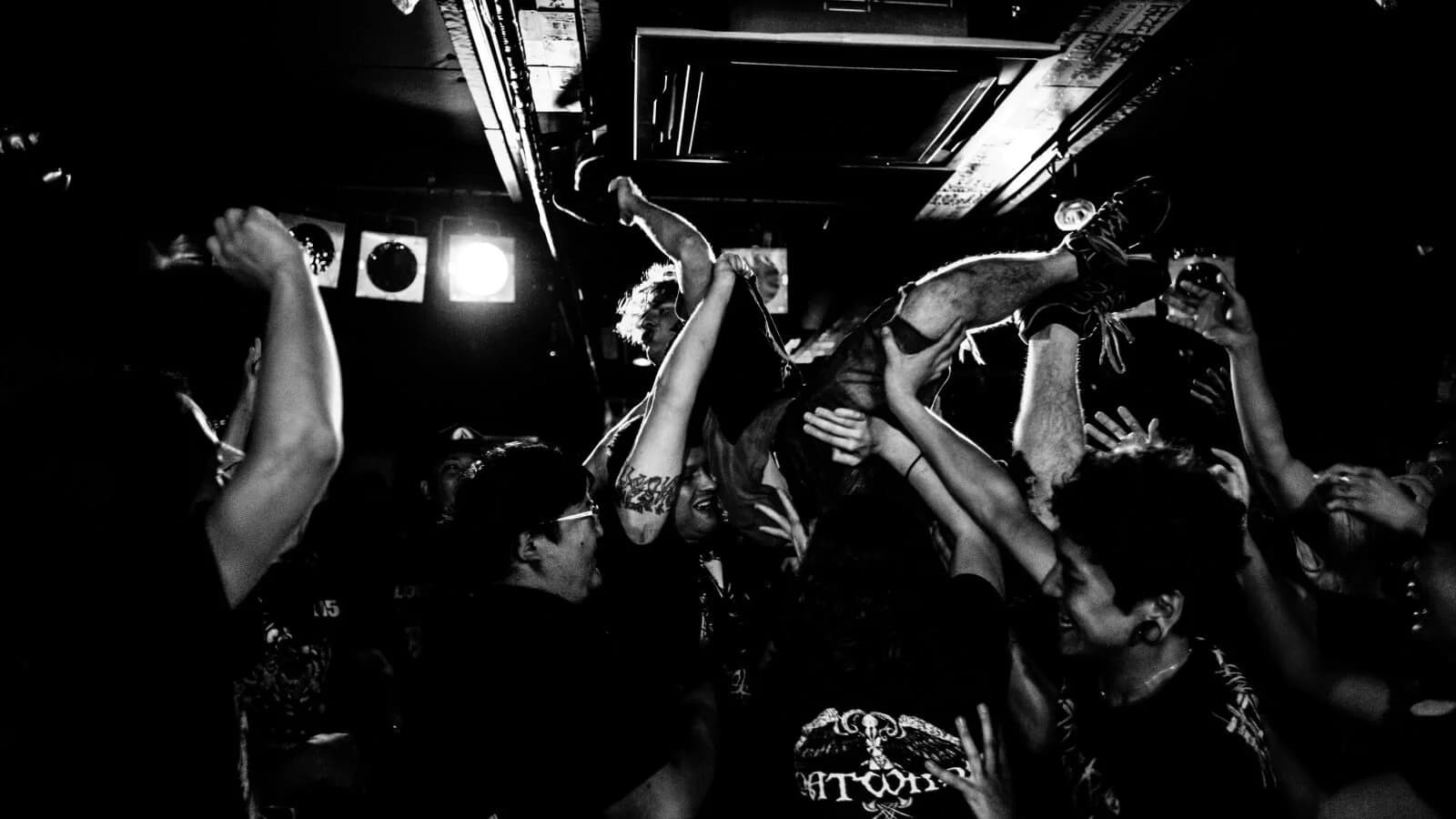
The transformation from Kaala Music to Music In Japan represents fifteen years of underground music documentation evolving from personal blog to essential platform. This evolution mirrors broader changes in Tokyo's metal scene, digital media, and the relationship between documentation and community formation in underground music culture.
Understanding this history provides crucial context for both platforms - how Kaala's decade-plus archive of scene knowledge enabled Music In Japan's comprehensive approach, and why the two projects complement rather than compete with each other. The relationship demonstrates how sustained documentation creates compound value that enables increasingly sophisticated analysis and community service.
The Early Kaala Years: 2013-2016
Kaala Music emerged in 2013 as personal documentation project focused on Tokyo's hardcore and metal scenes during a period of significant underground growth. Early posts combined show reviews, venue spotlights, and artist interviews that captured scene dynamics rarely covered in mainstream Japanese music media or international publications.
The original format emphasized immediate documentation over polished analysis - raw thoughts after shows, quick venue assessments, and candid artist conversations that preserved authentic scene voices. This approach generated archives of period-specific information that became increasingly valuable as scenes evolved and venues closed or transformed.
Early coverage focused heavily on venues like Earthdom, Antiknock, and smaller spaces that defined Tokyo underground culture during the early 2010s. These venue-centric articles inadvertently created historical records that now provide essential context for understanding how current scene dynamics developed from earlier configurations.
The blog's international perspective - an American documenting Japanese underground culture - provided unique viewpoints that complemented existing Japanese music media while offering cultural translation for overseas audiences interested in Tokyo's metal and hardcore scenes.
The Documentation Methodology Development: 2017-2020
As Kaala Music continued, documentation methodology became more systematic, developing approaches to venue coverage, artist profiling, and scene analysis that would later inform Music In Japan's platform architecture. This period established templates for comprehensive music documentation that balances insider knowledge with newcomer accessibility.
The blog began experimenting with venue-specific archives, creating comprehensive histories of spaces like Shibuya O-East and smaller underground venues that preserved information often lost when venues closed or changed ownership. These archives demonstrated how sustained documentation creates reference resources unavailable through conventional music journalism.
Artist coverage evolved from simple interview transcription to cultural context analysis that explained not just what bands did, but how their activities fit within broader scene developments. This analytical approach provided frameworks for understanding underground music as interconnected cultural ecosystem rather than collection of isolated acts.
Show coverage developed systematic approaches to capturing information beyond basic performance reviews - venue atmosphere, audience demographics, technical details, and cultural significance that provided comprehensive documentation of live music experiences. These methodological developments later informed Music In Japan's database structure and content standards.
The Scene Evolution Documentation: 2017-2022
Kaala Music's sustained coverage documented significant changes in Tokyo's underground music landscape during the late 2010s and early 2020s, providing real-time analysis of venue closures, scene transitions, and cultural shifts that shaped current underground dynamics.
The blog tracked the impact of COVID-19 restrictions on underground venues and artist communities, creating historical record of how Tokyo's metal scene adapted to unprecedented challenges. These articles now provide essential documentation of period that fundamentally altered underground music operations and community dynamics.
Coverage of venue closures and openings preserved information about spaces that significantly influenced scene development but might otherwise be forgotten as scenes evolve. Articles about closed venues like certain iterations of live houses provide historical context essential for understanding current venue relationships and booking patterns.
The blog's documentation of emerging artists during this period created early coverage that provides baseline reference for understanding how successful bands developed within Tokyo's underground ecosystem. Many artists featured in early Kaala posts achieved significant recognition, making the early coverage valuable historical documentation.
The Technical Evolution: 2020-2025
As blogging platforms evolved and digital media consumption changed, Kaala Music faced technical decisions about platform migration, content organization, and archive preservation that influenced the eventual development of Music In Japan as separate but complementary project.
WordPress limitations for organizing complex venue and artist relationship data highlighted need for more sophisticated database approaches that could handle the kind of cross-referencing and search functionality that serious music documentation requires. These technical limitations inspired Music In Japan's more advanced information architecture.
SEO and discovery challenges on traditional blogging platforms demonstrated need for purpose-built music platforms that could optimize content for specific music community needs rather than general blog readership. Music In Japan's search and discovery functionality directly addresses limitations identified during Kaala's technical evolution.
Archive organization became increasingly challenging as content volume grew, revealing need for database-driven organization systems that could handle complex tagging, cross-referencing, and relationship mapping between artists, venues, and cultural movements. These organizational challenges informed Music In Japan's technical architecture.
The Community Response and Feedback Integration
Kaala Music's community feedback over fifteen years provided crucial insight into what serious music fans actually need from documentation platforms - comprehensive venue information, historical context, and cultural analysis that goes beyond basic news reporting or promotional coverage.
Reader comments and community discussions revealed gaps in underground music documentation that mainstream media couldn't address due to commercial pressures and audience breadth requirements. This feedback directly influenced Music In Japan's focus on niche community service over broad appeal.
International reader engagement demonstrated global interest in Tokyo underground music culture but also highlighted cultural translation needs that required sustained insider knowledge rather than superficial coverage. Music In Japan's approach to cultural context stems from this understanding.
The blog's relationship with Tokyo music communities provided insight into how documentation platforms can serve scenes without compromising authenticity or insider relationships. This balance influenced Music In Japan's community engagement philosophy and content creation standards.
The Archive Value Recognition: 2022-2025
As Kaala Music's archive accumulated substantial historical coverage, its value as reference resource became apparent both for new platform development and broader underground music research. The sustained documentation created knowledge base that enabled more sophisticated analysis and platform functionality.
Academic researchers and music journalists began citing Kaala articles as primary sources for information about Tokyo underground music development, demonstrating how sustained scene documentation creates scholarly value that extends beyond initial community service purposes.
The archive's venue histories and artist documentation provided foundational research for Music In Japan's comprehensive database development, enabling the new platform to launch with sophisticated organizational systems rather than starting from zero knowledge base.
International music media recognition of Kaala's documentation quality validated approaches to underground music coverage that prioritize depth and cultural authenticity over viral content or trend-chasing, encouraging continued development of niche music documentation.
The Transition Strategy: Kaala to Music In Japan
Rather than replacing or abandoning Kaala Music, the transition to Music In Japan represented evolution that preserved archive value while developing more sophisticated platform functionality. The two projects now complement each other, serving different but related community needs.
Kaala Music continues as documentation platform for ongoing scene developments, personal analysis, and cultural commentary that benefits from blog format flexibility. Music In Japan provides database functionality, comprehensive reference resources, and systematic organization that blogging platforms can't effectively deliver.
Cross-referencing between platforms creates enhanced value for both projects - Kaala articles link to relevant Music In Japan database entries, while platform profiles reference historical coverage in Kaala archives. This integration maximizes utility of fifteen years of accumulated documentation.
The transition demonstrates how sustained documentation projects can evolve technologically while preserving historical value and community relationships. Rather than platform migration that loses archive utility, the complementary approach maintains access to historical content while enabling advanced functionality.
The Knowledge Compound Effect
Fifteen years of sustained documentation created compound knowledge effects that enable increasingly sophisticated analysis and community service. Early venue coverage provides context for current booking patterns, while historical artist profiles inform understanding of scene genealogies and cultural development.
The accumulated archive enables Music In Japan to launch with authority and comprehensive coverage that new platforms typically require years to develop. This historical foundation provides credibility and utility that attracts both scene veterans and newcomers seeking reliable information sources.
Long-term relationship building with venue operators, artists, and community members through Kaala documentation created networks that support Music In Japan's more ambitious platform goals. Sustained community engagement generates trust and cooperation essential for comprehensive scene documentation.
The Future Integration Model
The Kaala-to-Music In Japan evolution demonstrates sustainable approaches to underground music documentation that preserve historical value while enabling technological advancement. This model provides framework for other niche media projects seeking growth without compromising core community service.
Ongoing development plans integrate both platforms more systematically, creating seamless user experiences that provide blog-style analysis alongside database functionality. This integration maximizes the value of fifteen years of accumulated knowledge and community relationships.
The success of this transition validates long-term commitment to niche community service as foundation for sustainable media projects. Rather than chasing viral growth or mainstream appeal, sustained quality service to specific communities creates lasting value that enables continued development and technological advancement.
For Tokyo's underground music community, the Kaala-to-Music In Japan evolution represents institutional knowledge preservation and advancement that benefits both current participants and future music culture development. Fifteen years of documentation provides foundation for continued growth that maintains cultural authenticity while embracing technological possibility.